Top-Rated Carp Fishing Line: Enhance Your Fishing Results With Premium Possibilities
Choosing the best carp fishing line is essential for any angler aiming to increase their success. Various factors like tensile strength, visibility, and abrasion resistance can shape catch rates. Different line types, including monofilament, braided, and fluorocarbon, each offer distinct advantages in varied conditions. Understanding these elements can enable anglers in making smart choices. What features truly make a difference in the heat of the moment? Exploring this can unlock new potential in your fishing endeavors.
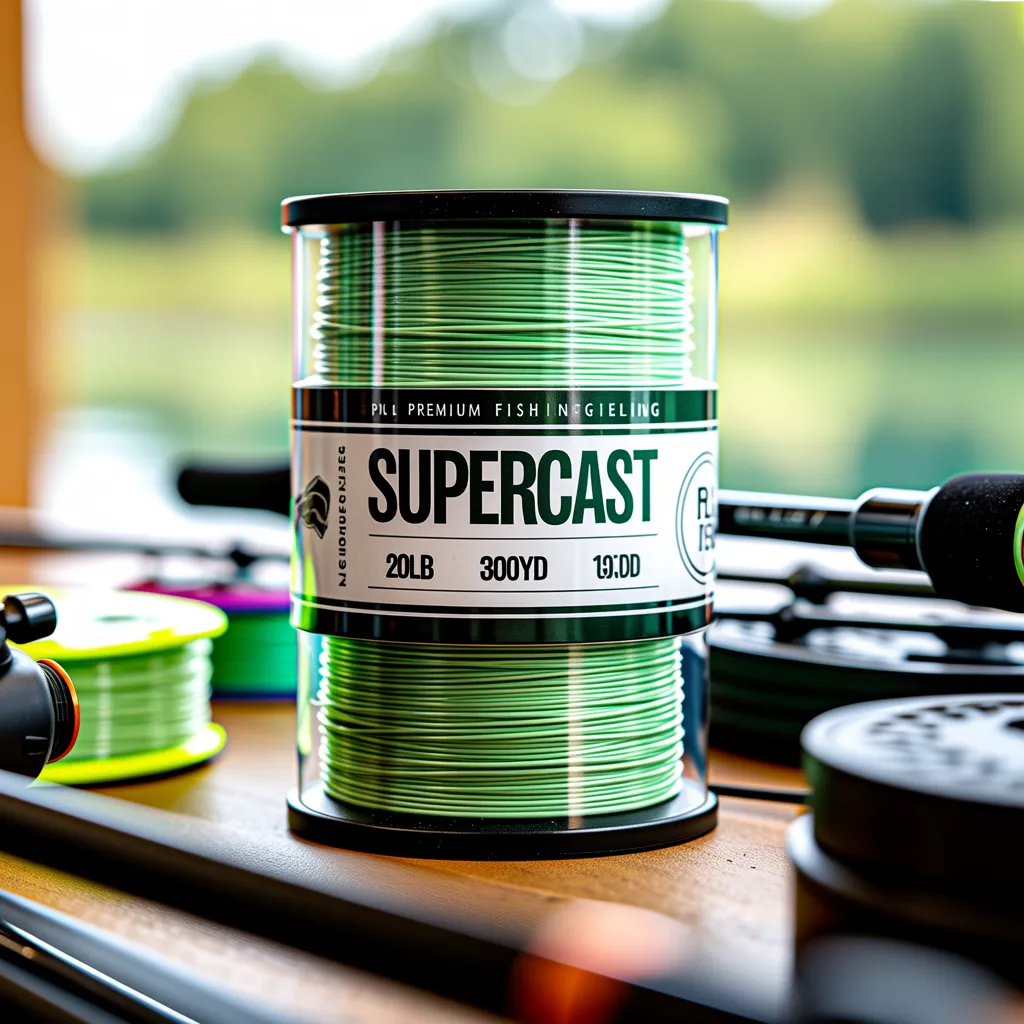
The Need of Finding the Best Carp Fishing Line
Opting for the best carp fishing line is crucial for achieving success on the water. The choice of line determines not only the angler's ability to land fish but also the whole fishing experience. Different lines offer varying degrees of durability, transparency, and stretch, which can affect how well a bait is presented. A proper line can improve sensitivity, allowing anglers to pick up on subtle bites, while also providing the toughness needed to withstand the strong pulls of a carp. Moreover, choosing the right line prevents break-offs during the fight, ensuring anglers successfully land their catch. Additionally, environmental factors and fishing styles used also dictate the ideal line choice. Ultimately, making a smart selection enhances an angler's confidence and effectiveness, resulting in a more rewarding fishing adventure.
Essential Features to Consider in Carp Fishing Lines
When examining carp fishing lines, several important elements come into play that can significantly impact an angler's results. One of the key considerations is tensile strength, which measures the line's capacity to handle heavy loads without failing. Abrasion resistance is just as important, as it helps the line resist rough underwater conditions and guards against snags and sharp edges. Elasticity should also be assessed; a line with the right stretch can take in sudden pulls, avoiding breakage during a catch. Visibility is another critical feature; selecting a line that blends into the water can help prevent spooking cautious fish. Additionally, the line's diameter affects casting distance and overall stealth. Finally, consider whether the line offers UV protection, as extended sun exposure can weaken it over time. By concentrating on these features, anglers can select a line that enhances their carp fishing performance and increases their chances of catching fish.
A Review of Monofilament, Braided, and Fluoro Lines
When evaluating monofilament, braided, and fluorocarbon lines, anglers must take into account key factors such as line strength and visibility. Each type of line presents unique advantages in these areas, affecting performance in various fishing conditions. Understanding these differences can help anglers make informed choices for their carp fishing strategies.
Line Capacity Assessment
Understanding the variations in tensile strength in-depth guide among monofilament, braided, and fluorocarbon fishing lines is crucial for anglers aiming to optimize their gear. Monofilament lines are known for their stretch and shock absorption, making them perfect for beginners and those targeting species that require elasticity. However, they generally have a lower tensile strength compared to braided lines. Braided lines offer superior strength-to-diameter ratios, providing enhanced sensitivity and the ability to handle heavier loads without breaking. Fluorocarbon lines, while less strong than braid, possess excellent abrasion resistance and offer a degree of invisibility underwater. Each line type has its advantages and limitations, and anglers must consider their particular fishing environments and target species when choosing the right line.
Visibility and Camouflage
Visibility plays a vital role in fishing effectiveness, since certain line types can either draw in or ward off fish. Monofilament lines, often available in multiple shades, can be very apparent in water, potentially spooking cautious carp. However, their buoyancy makes possible surface fishing strategies. Braided lines, while strong and sensitive, are usually slender but more detectable, making them less ideal for clear waters. In contrast, fluorocarbon lines provide better concealment thanks to their light bending capabilities, blending seamlessly with underwater environments. This makes fluorocarbon an optimal selection for stealth methods, especially in densely fished zones. Ultimately, the choice of line should consider water clarity and the behavior of the target species to enhance fishing outcomes.
Selecting the Ideal Line for Your Carp Fishing Adventures
Selecting the right line for carp fishing is key for success, as it impacts casting distance, sensitivity, and the ability to handle large fish. Anglers often evaluate several factors when choosing a line, including its strength, diameter, and material type. Monofilament lines offer excellent stretch, making them forgiving during fights, but may lack sensitivity. Braided lines, on the other hand, provide improved strength and sensitivity, allowing anglers to detect light bites but can be more visible in clear water. Additionally, fluorocarbon lines are favored for their low visibility underwater and abrasion resistance. Anglers should also consider the line's breaking strain, ensuring it can withstand the weight of the specific carp. Ultimately, the suitable line combines these elements to optimize results, making it crucial for carp fishing enthusiasts to select a line that aligns with their fishing style and conditions.
Leading Labels for Carp Lines You Need to Consider
When choosing carp fishing lines, understanding the top-rated manufacturers is essential. These brands regularly incorporate leading-edge line technologies that elevate results and durability. Considering their products may significantly boost the fishing experience.
Top-Rated Conductor Suppliers
In the area of carp fishing, the selection of line can considerably influence success on the water. Several top-rated manufacturers have created their reputation by consistently delivering high-quality products. Brands like Berkley offer durable monofilament lines that are excellent in strength and sensitivity, making them a favorite among anglers. Daiwa is famous for its advanced braided lines, providing exceptional casting distance and abrasion resistance. Another noteworthy brand, Shimano, combines innovation with reliability, producing lines that improve performance in several fishing situations. Additionally, Fox International is known for its custom carp lines, made to meet the unique demands of carp fishing. These manufacturers offer the best selections for anglers seeking to enhance their carp fishing experience.
Advanced Row Technologies
Improvements in angling line technology have markedly enhanced the carp fishing experience. Brands such as Berkley, known for its groundbreaking Ghost Green line, offer superior underwater invisibility, while Shimano’s PowerPro offers remarkable strength and durability. These lines are engineered to withstand the challenges of various fishing conditions, guaranteeing anglers can depend on their gear. In addition, companies like Daiwa emphasize braid technology, crafting lines that merge sensitivity with minimal stretch for improved bite detection. Using fluorocarbon lines, like those from Seaguar, provides heightened abrasion resistance and stealth, ideal for vigilant carp. In sum, these innovative technologies not only boost performance but also raise anglers’ odds of a successful catch, making them crucial for any committed carp fisherman.
A Guide to Caring for and Storing Your Fishing Line
Proper preservation and storage of fishing line are fundamental for ensuring peak performance and longevity. Regularly inspecting the line for marks, twists, or knots can prevent issues during fishing. Anglers should carefully spool their lines, avoiding overfilling reels to reduce friction and potential tangles. After each outing, rinsing the line with fresh water helps remove dirt and debris, aiding durability.
When putting away fishing line, it is important to store it in a cool, dry place, away from sunlight exposure to prevent UV damage. Using protective sleeves or boxes can further shield the line from environmental factors. Also, periodically re-spooling the line every few months can help eliminate damaged sections, maintaining ideal strength. By following these maintenance and storage tips, anglers can maximize the performance of their fishing line, ultimately improving their overall fishing experience.
Authentic Angler Insights: Top-Rated Carp Fishing Lines in Use
While many anglers rely on individual knowledge to pick their fishing gear, genuine user reviews offer crucial insights into the effectiveness of top-rated carp fishing lines. Reviews from expert carp anglers underline several excellent options, highlighting their durability and sensitivity. One popular choice, a braided line, is noted for its resilience and low visibility, enabling stealthy presentations. Users report impressive casting distances and minimal stretch, boosting hook sets.
Another regularly mentioned line is a monofilament selection, esteemed for its floating capacity and capacity to absorb shocks. Anglers note its simplicity in handling and knot strength, making it a dependable option for various fishing conditions. Some reviews alert to memory issues in warmer climates, encouraging proper storage practices.
Frequently Posed Inquiries
How often must I swap my carp fishing line?
Typically, carp fishing lines should be replaced each season or after significant use. Natural conditions, like UV exposure and abrasion, can weaken the line, so regular monitoring is vital to maintain maximum performance and stability.
Can I utilize the identical line for diverse fish species?
Yes, the same angler's line can be used for different types of fish, but anglers should consider the line's tensile strength, diameter, and material. Modifications may be necessary based on the target species' behavior and habitat requirements.
Which line color is optimal for carp fishing?
For carp fishing, lime, brown, or patterned lines are often considered best. These colors blend into natural environments, making them less visible and boosting success rates by avoiding spooking the fish.
How Does Cord Thickness Influence Casting Distance?
Line thickness markedly affects casting distance. Thinner lines encounter less air resistance, enabling longer casts. However, balance is vital; too thin may compromise strength and durability, influencing overall fishing success and tackle performance.
In what ways do weather influence line choice?
The choice of line is greatly affected by weather conditions; windy conditions might necessitate heavier lines for stability, while clear skies can lead to lighter, more sensitive options. Anglers tailor their choices according to temperature, precipitation, and breeze power for the best performance.